If you’re looking for a simple way to help wildlife in your garden, planting a native hedge is a good place to start. A hedge does far more than mark out a boundary — it gives birds somewhere to nest, insects somewhere to feed, and small mammals a bit of cover as they move around. It also happens to look great and adds a sense of maturity to a garden surprisingly quickly.
Native plants tend to work best because local wildlife already depends on them. They provide familiar food sources and shelter, which means your garden naturally becomes more active as the hedge grows.
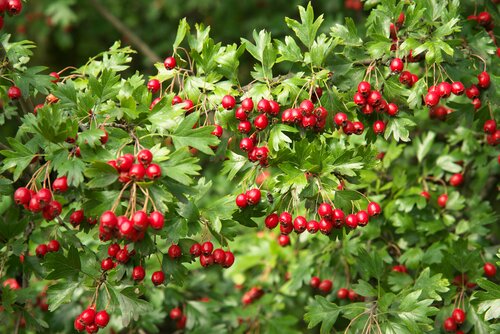
Why Plant a Native Hedge?
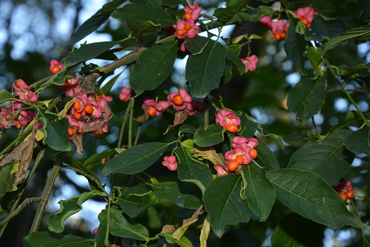
One of the nicest things about a native hedge is how it changes through the seasons. Spring blossom brings in bees and other pollinators, summer growth creates dense shelter, and later in the year berries appear just when wildlife needs extra food.
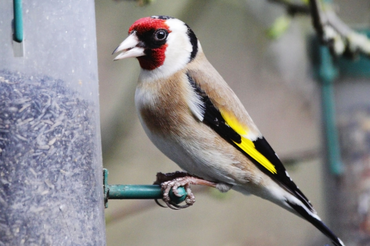
Over time, a hedge becomes part of the garden rather than just something planted along the edge. Birds tuck themselves into the branches, insects gather around flowers, and the whole space feels more alive. You also gain privacy and protection from wind and road noise, which is an added bonus.
How to Plant a Native Hedge
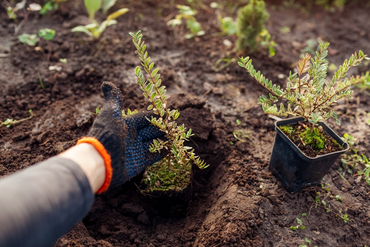
A bit of preparation at the start makes planting much easier. Clear the area of weeds and stones, then dig in some organic matter to improve the soil. It doesn’t need to be complicated — just give the plants a good start.
In the UK, hedges are best planted between October and March, while plants are dormant. This allows roots to establish before warmer weather arrives. Try to avoid planting when the ground is frozen or very wet.
Container-grown plants should go into the ground at the same depth they were in their pots. Bare-root plants, often sold as whips, are usually planted in two staggered rows about 50cm apart. This helps the hedge fill out and become thicker over time.
Once planted, give everything a good watering and add mulch around the base to keep moisture in and weeds down.
What to Plant
If you have the space, mixing different native species together gives the best results. A mixed hedge looks more natural and supports a wider range of wildlife throughout the year.
Common choices include:
Trees
- Hornbeam (Carpinus betulus)
- Yew (Taxus baccata)
- Hawthorn (Crataegus monogyna)
Shrubs
- Guelder rose (Viburnum opulus)
- Blackthorn (Prunus spinosa)
- Holly (Ilex aquifolium)
Together, these provide flowers, shelter and berries across the seasons, which is exactly what wildlife needs.
If you’re unsure what would suit your garden, our team at Carpenters Nursery is always happy to help. We can talk through options, explain planting basics and help you choose hedging that will grow well and last for years.