Hardy annuals are incredibly simple to grow, and absolutely worth adding to your garden. They are some of the hardest-working plants you can sow, producing generous displays of colour and interest for months. Often grown for cut flowers, hardy annuals can be sown in autumn or again in late winter/early spring, and they’ll reward you with a long season of blooms from late spring right through summer. And if you need a little more convincing, here are a few extra benefits—plus some tips on when and how to sow them.
Why grow hardy annuals?
Aside from their reliability, hardy annuals are usually the first annuals to bloom in spring if they’ve been autumn-sown. Theres also something uplifting about sowing seeds during the colder months—it’s such a hopeful way to look forward to the new season. They require very little fuss, and one sowing will keep the flowers coming for many weeks. They also cope brilliantly with cooler temperatures, unlike tender annuals such as Cosmos or Zinnias.
When to sow hardy annuals
Timing is key, and different varieties will have slightly different needs—so it’s always worth checking the seed packet. As a general rule, sow hardy annuals in autumn and again in early spring. This staggered approach will help extend your flowering season. Many varieties, like Calendula (pot marigold) and Centaurea (cornflower), can be sown directly into the ground where they’ll grow. Just be mindful that a very harsh winter may mean they need a bit of protection. Others, especially if you’re dealing with a weedy area, are better started undercover in trays—such as sweet peas (Lathyrus odoratus) or toadflax (Linaria maroccana).
Recommended hardy annuals to try
With so many to choose from, it often comes down to what suits your soil, light levels and personal style. But here are a few strong performers that have fantastic colour and texture:
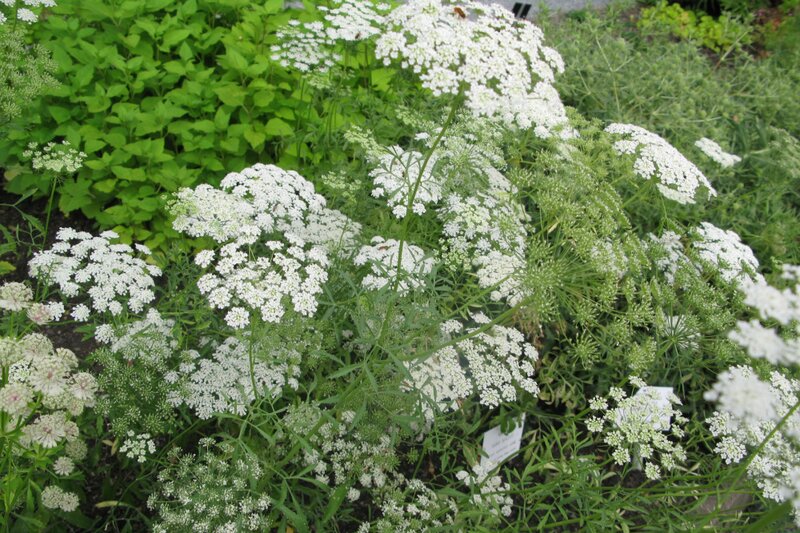
- Ammi majus – Delicate, airy white blooms with fern-like foliage. Grows 30–90cm tall.
- Nigella damascena (love-in-a-mist) – Soft blue, saucer-shaped flowers with fine, misty foliage. The seedheads also dry beautifully. Height 30–45cm.
- Cerinthe major ‘Purpurascens’ – Striking deep-purple bell-shaped flowers surrounded by dusky bracts and blue-green leaves. Reaches around 60cm.
- Growing hardy annuals for cut flowers
Raising your own cut flowers is incredibly rewarding. There is nothing quite like filling your home with blooms that you have grown yourself or gifting a homegrown bouquet. Many hardy annuals will produce even more flowers the more you cut them, and you can also save seed from your favourites for the following year.
Browse our full seed range at Carpenters Nursery and enjoy choosing the varieties that will brighten your garden next season.