With summers growing longer and drier, and hosepipe bans becoming more common, it pays to plan your garden with water in mind. By using smart, water-saving techniques, you can keep your plants lush and thriving without overwatering. Even in a small garden, simple changes can make a big difference — so when the sun is at its strongest and your plants are thirstiest, you’ll be ready to give them just the right drink to flourish.

1. Collect Rainwater
Make the most of nature’s free resource by harvesting rainwater. There are many styles and sizes of water butts available, perfect for gardens, patios, and even balconies. Position them beneath guttering on your shed, greenhouse, or home to collect runoff. You can also repurpose recycled containers to store rainwater through the wetter months — ready to use when dry spells arrive.
2. Mulch to Lock in Moisture
Mulching is one of the most effective ways to conserve water in your garden. Spread a good layer of organic mulch — such as homemade compost, leaf mould, or well-rotted manure — over your beds, borders, and containers. It helps retain moisture, suppress weeds, and feeds your plants at the same time. Alternatively, try using pebbles, bark chips, straw, or even grass clippings.
3. Water at the Perfect Moment
Give your plants the best chance to thrive by watering at the right time. Avoid the midday sun, when most of the water will vanish into the air before reaching the roots. Early morning or late evening, when the garden is calm, is perfect. Aim the water at the base of each plant, letting it sink deep into the soil rather than drenching the leaves — your garden will thank you with healthy, happy growth.
4. Choose the Right Plants
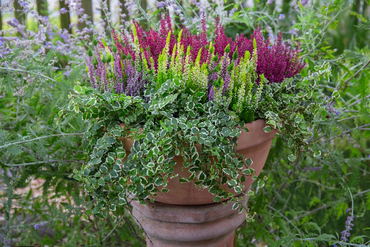
A water-wise garden starts with choosing the right plants for the right place. Select varieties that naturally thrive in your local conditions — whether that’s sun-loving Mediterranean herbs for dry spots or moisture-tolerant species for shadier areas. Native plants are especially well adapted to local weather and soil, making them low-maintenance and water-efficient.
5. Raise Your Mower Height
When mowing, keep your grass slightly longer to help it retain moisture. Taller blades shade the soil and encourage deeper root growth, meaning your lawn can access more water naturally. During prolonged dry spells, resist the urge to water a brown lawn — it’s simply dormant, not dead, and will quickly green up again once the rain returns. Get your garden ready for the colder months — discover our 15 essential garden tips for November to keep everything healthy through winter.
For expert advice on choosing the right plants and managing water in your garden, visit us at Carpenters Nursery — our team will be happy to help.