Wildlife plays a vital role in our gardens — from pollinating plants to keeping pests under control. And it’s a two-way relationship: our gardens provide food and shelter for countless creatures throughout the year. Winter, however, can be a tough time for them, with cold weather and limited food. The way we garden can make a real difference.

Here are nine simple ways to make your garden more wildlife-friendly this winter:
- Leave some perennials standing: Resist the urge to cut everything back in autumn. Hollow stems from perennials offer much-needed shelter for spiders, insects and other invertebrates through the cold months. Tidy them up in spring once the weather warms.
- Put down the leaf blower: Leaf blowers not only add to noise and air pollution — they also disturb habitats and can harm insects. Where possible, rake leaves by hand instead. Consider leaving piles of leaves under shrubs or in quiet corners for hedgehogs and insects to overwinter. If you have slug-prone plants, clear only those areas and let the rest decompose naturally, enriching the soil.
- Create shelter near ponds: Frogs, toads and newts need safe, damp hiding spots for the winter. A small log pile or patch of long grass near a pond can make a perfect refuge. When ponds freeze, gently clear snow from the surface so sunlight can reach the water and help oxygenate it.
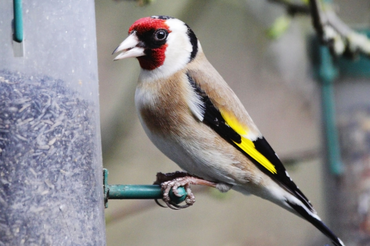
- Keep bird feeders topped up: Birds need extra energy in cold weather. Fill feeders with high-calorie options like sunflower hearts, peanuts and suet balls, and keep them topped up so birds can rely on a regular food source.
- Provide fresh water: Don’t forget birdbaths — they’re as important in winter as in summer. Birds need to drink and keep their feathers clean for insulation. Check daily to make sure the water hasn’t frozen.
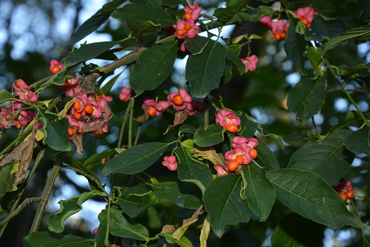
- Plant berry-bearing shrubs and trees: Plants such as holly, hawthorn and crab apple not only add colour to your garden but also provide a vital winter food source for birds.
- Leave ivy intact until spring: Mature ivy is a lifeline for wildlife. Its dense foliage provides shelter for birds and insects, and its berries offer a rich source of food when little else is available. Cut it back once spring returns to keep it in check.
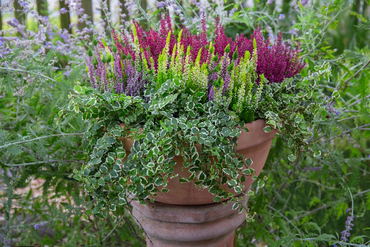
- Grow flowers for winter pollinators: Add a splash of colour and support early pollinators with plants like hellebores, winter heather, mahonia, primroses and crocuses. These provide valuable nectar when few other flowers are blooming.
- Mulch your garden beds: Apply a generous layer of compost or well-rotted manure in winter. It protects plant roots, feeds the soil, and supports the worms and microorganisms that keep your garden ecosystem healthy.
Visit Us for Everything You Need
If you’d like to make your garden a haven for wildlife this winter, visit Carpenters Nursery garden centre. From bird feeders and berry-bearing plants to compost and winter flowers, we have everything you need — and our friendly team will be happy to help you choose.